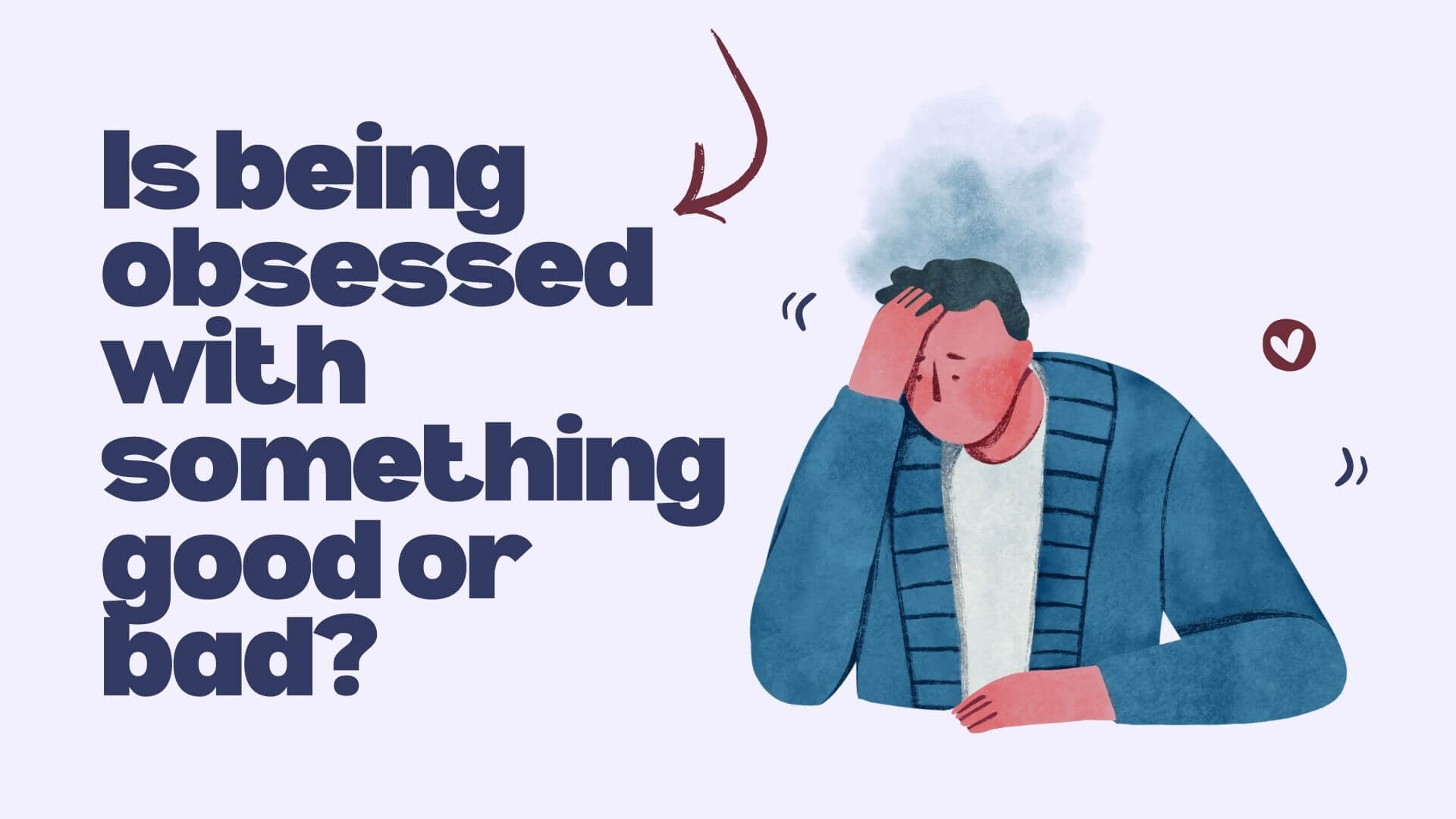
Obsession: Understanding When Passion Becomes Unhealthy
Obsession is a powerful mental focus that can sometimes drive success but may also interfere with relationships, work, and emotional well-being. Understanding the difference between healthy dedication and unhealthy obsession is essential for maintaining a balanced life.
Everyone experiences strong interests and passions throughout life. Whether it is a career, sport, hobby, or personal goal, intense motivation can help people achieve remarkable success. However, when a thought, activity, or person begins to dominate someone's life and becomes difficult to control, it may develop into an unhealthy obsession.
An obsession is characterized by persistent thoughts, urges, or behaviors that occupy a person's attention for long periods of time. These thoughts may repeatedly return, making it difficult to focus on daily responsibilities or enjoy other aspects of life.
Healthy ambition and obsession are not the same. A dedicated athlete may spend hours training because it aligns with long-term goals, while someone experiencing an unhealthy obsession may continue a behavior even when it causes stress, damages relationships, or negatively affects physical or mental health.
Obsessions can take many forms. Some people become excessively focused on work, money, fitness, social media, video games, celebrity culture, online activities, or romantic relationships. Others may experience recurring thoughts that create anxiety or lead to repetitive behaviors in an attempt to reduce emotional discomfort.
Mental health professionals recognize that obsessive thoughts exist on a spectrum. While many people occasionally experience intrusive thoughts, persistent obsessions that cause significant distress or interfere with daily functioning may require professional evaluation and support.
One of the most common consequences of obsession is imbalance. People may gradually neglect family, friendships, education, work, or personal well-being because nearly all of their time and attention becomes directed toward a single focus.
Technology has amplified this challenge in the digital age. Smartphones, social media platforms, streaming services, and endless online content make it easier than ever to spend excessive amounts of time on one activity without realizing how quickly it affects everyday life.
Recognizing the warning signs is an important first step. These may include constantly thinking about one subject, feeling anxious when unable to engage with it, losing sleep, avoiding responsibilities, or continuing a behavior despite knowing it has negative consequences.
Developing healthy habits can help restore balance. Regular exercise, quality sleep, hobbies, spending time with loved ones, and setting boundaries around technology use can reduce excessive focus and improve overall well-being.
Mindfulness and stress-management techniques may also be helpful. Taking time to reflect on emotions, practicing relaxation exercises, and creating structured daily routines can make it easier to manage persistent thoughts and maintain perspective.
For individuals whose obsessions significantly affect their quality of life, professional support is available. Psychologists, psychiatrists, and licensed therapists can provide evidence-based treatments that help people understand their thoughts, develop coping strategies, and regain control over their daily lives.
Friends and family also play an important role. A supportive environment built on understanding rather than judgment often encourages individuals to seek help and make positive changes without feeling isolated or ashamed.
It is important to remember that having strong passions is not inherently harmful. Many of the world's greatest artists, scientists, entrepreneurs, and athletes have demonstrated extraordinary dedication to their work. The key difference is maintaining balance and ensuring that success does not come at the expense of health, relationships, or personal happiness.
Ultimately, obsession becomes unhealthy when it controls a person's life instead of serving their goals. By recognizing the signs early, maintaining balanced habits, and seeking support when necessary, individuals can transform intense focus into healthy motivation while protecting their overall well-being.